
Rome can fill a lifetime, but Italy rewards anyone willing to leave the Eternal City for a day. Within a few hours, you can walk ancient Roman streets in Pompeii, stand before Renaissance masterpieces in Florence, taste handmade pasta in the countryside, or watch cliffs drop into the blue water of the Amalfi Coast.
The best part is that many of these trips fit into a single day. Some are easy by train. Others work better with a guided tour, especially when transport, tickets, and local timing matter. This guide highlights the best day tours from Rome, what each one offers, and how to choose the right experience for your travel style.
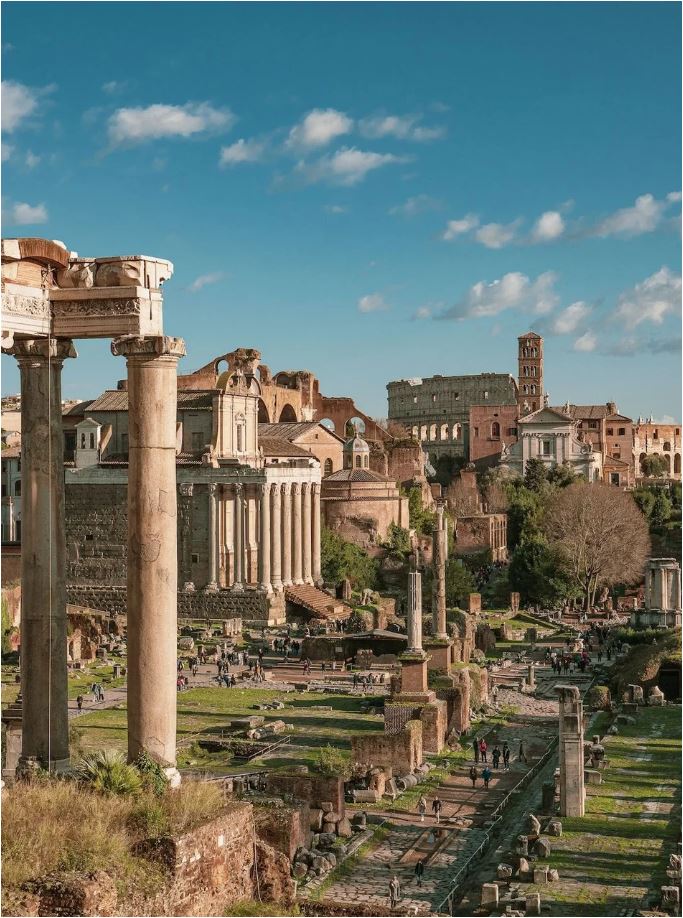
Why Rome is a strong base for day tours
Rome sits in a useful spot for exploring central and southern Italy. High-speed trains connect the city with Florence and Naples, while organised tours reach places that can be harder to manage alone, such as Pompeii, the Amalfi Coast, and rural food regions.
A good day tour from Rome can solve three common travel problems.
It saves planning time.
Many popular Italian sites involve ticket slots, train changes, local buses, or steep walking routes. A tour handles the details.
It adds context.
A guide can turn ruins, churches, markets, and food traditions into stories that make sense.
It makes long-distance days easier.
Trips like Amalfi Coast or Pompeii are possible independently, but the logistics can feel heavy if time is short.
Before booking, think about what kind of day you want. Some tours are packed with sightseeing. Others leave more space for slow meals, photos, and wandering.
Pompeii gives you the most powerful ancient history day
Pompeii is one of the most memorable historical trips from Rome. The city was buried after the eruption of Mount Vesuvius in 79 CE, and its streets, houses, bakeries, baths, and public spaces still reveal daily Roman life in striking detail.
Most Pompeii tours from Rome include transport to the Naples area, entry to the archaeological site, and a guided walk through the main ruins. Some also add Mount Vesuvius when conditions allow, or a stop in Naples for pizza.
Expect a full day. The journey usually takes several hours each way, depending on road traffic or train connections. Once inside Pompeii, the ground is uneven, exposed to sun, and larger than many visitors expect. Comfortable shoes are not optional here.
What makes Pompeii worth the journey
Pompeii is not only about grand monuments. Its smaller details often stay with visitors longest.
Look for:
- The preserved street layout
You can still follow roads used by carts, pedestrians, and traders nearly two thousand years ago. - Homes with frescoes and courtyards
These show how wealthy Romans decorated private spaces.
- Bakeries, taverns, and shops
Everyday places make the ancient city feel human. - Views toward Mount Vesuvius
The volcano gives the ruins their dramatic setting.
A guide is especially useful in Pompeii because the site can feel like a maze. Without context, one ancient street can start to look like another. A strong guide will explain how people lived, worked, ate, and moved through the city.
Best for
Pompeii suits travellers who love history, archaeology, and big stories. It is also a good choice for anyone who wants a day that feels very different from Rome while still being firmly connected to Roman history.
Florence is the best day trip for Renaissance art and elegant streets
Florence works surprisingly well as a day tour from Rome because high-speed trains connect the two cities in about one and a half hours. That makes it possible to leave Rome in the morning, spend much of the day in Florence, and return after dinner or early evening.
A guided Florence day tour often includes train tickets, a walking route through the historic centre, and timed entry to a major museum such as the Uffizi Gallery or Accademia Gallery. Some tours focus on art, while others mix history, architecture, food, and free time.
Florence is compact, which helps. The main sights sit close together, and walking is part of the pleasure.
What to see in Florence in one day
A well-planned day in Florence may include:
- The Cathedral of Santa Maria del Fiore
The famous dome by Brunelleschi defines the skyline.
- Piazza della Signoria
This square is an open-air lesson in civic power and sculpture. - Ponte Vecchio
The bridge over the Arno is one of Florence’s most recognisable sights.
- Accademia Gallery
This is where visitors often go to see Michelangelo’s David. - Uffizi Gallery
A major stop for Renaissance painting, especially if art is the main reason for the trip.
Trying to see both the Uffizi and Accademia in one day can feel rushed. If art is the priority, choose a tour that includes one major museum with a guide, then leaves time to enjoy the city. If the city itself is the priority, skip the long museum plan and focus on streets, squares, churches, and views.
Unique experiences to look for
Many Florence tours include small details that make the day feel richer. A guide may point out quiet artisan workshops, explain how goldsmiths shaped the Ponte Vecchio area, or recommend a traditional lunch spot for ribollita, pappa al pomodoro, or a Florentine-style sandwich.
A climb or viewpoint, when time allows, can also reshape the day. Seeing the terracotta roofs and dome from above gives Florence a different mood from the museum halls.
The Amalfi Coast is the scenic day that feels like a postcard
The Amalfi Coast is one of Italy’s most famous coastal drives, known for steep cliffs, pastel towns, lemon groves, and sea views. From Rome, it is a long day, but it can be deeply rewarding if you want scenery more than museums.
Most Amalfi Coast day tours from Rome leave early. Many use a combination of road transport and, in season, boats between towns. The exact route can vary. Common stops include Positano, Amalfi, or Ravello, though not every tour includes all three.
This is the kind of trip where a tour can be a real help. Roads are narrow, traffic can be slow, and local transport often needs careful timing. A guided or driver-led tour lets you focus on the views instead of the schedule.
The Amalfi Coast rewards an early start with unforgettable sea views.
What to expect on an Amalfi Coast day tour
Expect an early start, a late return, and a lot of visual reward. It is not the best choice for travellers who dislike long travel days. It is ideal for those who want a scenic change of pace after several days of ruins, churches, and galleries.
A typical day may include:
- Time to stroll through Positano or Amalfi
- A chance to visit the cathedral in Amalfi
- Lemon-based treats such as granita or limoncello tastings
- Sea views from terraces, roads, or boats
- Free time for lunch and photos
If the tour includes a boat segment, it often becomes the highlight. Seeing the coast from the water gives a clearer sense of the cliffs and narrow towns. Weather and sea conditions can affect boat plans, so keep expectations flexible.
Best for
Choose the Amalfi Coast if the goal is scenery, coastal towns, and a relaxed Mediterranean feeling. It is less about checking off museums and more about letting the day unfold through views, food, and walking.
Food and wine tours turn a day outside Rome into a meal worth remembering
Not every day trip needs a major monument. Some of the most enjoyable tours from Rome focus on food, wine, and the slower rhythm of nearby towns and countryside.
These tours may head into Lazio, Umbria, Tuscany, or the Castelli Romani area just outside Rome. The exact destination matters less than the experience: tasting local products where they are made and learning why regional food changes so much across Italy.
A culinary day tour might include a market visit, a cooking class, a vineyard lunch, an olive oil tasting, or a cheese and pasta-making experience. Some are hands-on. Others are more about tasting and conversation.
Local cuisine to seek out
Food tours work best when they keep things regional. Look for experiences that highlight:
- Fresh pasta
Handmade pasta teaches a lot about texture, flour, eggs, and local sauces. - Roman countryside wines
The area around Rome has long wine traditions, especially in the hills.
- Olive oil
A proper tasting shows how different fresh oil can feel from supermarket bottles. - Porchetta
This slow-roasted pork is a classic in parts of Lazio, often served in bread. - Seasonal vegetables
Artichokes, courgette flowers, tomatoes, and mushrooms appear at different times of year.
Cooking classes can be especially fun because they give you a skill to bring home. Even a simple lesson in shaping pasta or balancing a sauce can change how you cook later.
Best for
Choose a food-focused day if you want a break from heavy sightseeing. It suits couples, families, solo travellers, and anyone who enjoys learning through taste rather than long explanations.
Which Rome day tour fits your travel style
The right tour depends on energy level, interests, and how much travel time feels reasonable. Use this quick guide to narrow the choice.
| Tour option | Best for | Travel pace | What to watch for |
| Pompeii | Ancient history and archaeology | Full and active | Heat, uneven ground, long transport |
| Florence | Art, architecture, and city walking | Balanced but busy | Museum ticket timing and train return |
| Amalfi Coast | Sea views and coastal towns | Long but scenic | Early start, traffic, weather |
| Food and wine tour | Local cuisine and slower travel | Relaxed to moderate | Group size and hands-on time |
| Naples and pizza | Street life, history, and food | Lively and direct | Pickpockets in crowded areas, as in any major city |
| Tivoli villas | Gardens, fountains, and Roman villas | Manageable | Walking on slopes and stairs |
If this is your first trip to Italy, Pompeii or Florence often feels the most rewarding because they deliver major history in one day. If Rome already feels intense, a food tour or countryside day may be the better reset. If you have been dreaming of coastal views, wake up early and choose Amalfi.
How to choose the right tour from Rome
A beautiful destination can still make a poor day if the tour style does not match your needs. Before booking, read the details carefully and compare more than just the headline.
Check the transport plan
Some tours use high-speed trains. Others use coaches, minibuses, or private vehicles. Trains can be faster for Florence and Naples. Road transport can be simpler for Amalfi, countryside estates, and multi-stop itineraries.
Look for clear meeting points, return times, and whether hotel pickup is included. In Rome, early morning transport to the meeting point can take longer than expected.
Look at the group size
Small-group tours often allow more questions, quicker movement, and a more personal feel. Large coach tours can be cheaper but may move at a fixed pace.
For Pompeii, a guide who can keep the group together matters. For food tours, small groups usually make the experience warmer and easier to follow.
Match the itinerary to your energy
A tour that visits three towns, one archaeological site, and a viewpoint may sound excellent online. On the day, it may feel rushed. Be honest about how much walking, waiting, and travelling you want.
A good one-day itinerary leaves space to enjoy the destination, not just reach it.
Read what is included
Check whether the price includes entry tickets, guide service, lunch, tastings, train tickets, or boat rides. Also check what happens if weather changes the plan, especially for coastal tours.
For museum-heavy trips, timed entry is valuable. For food tours, included tastings and meals should be clear.
What to expect during a day tour from Rome
Most day tours from Rome start early, often near a train station, central square, or major hotel area. Guides usually give a brief overview of the day, then set the timing for each stop.
Bring a small day bag with:
- Comfortable walking shoes
- A refillable water bottle
- Sun protection
- A light layer for trains, churches, or cooler evenings
- Cash for small purchases
- A charged phone or power bank
Italy rewards patience. Trains may be crowded, museum lines may move slowly, and coastal roads may take longer than planned. A calm attitude helps. So does choosing a tour with a realistic schedule.
Lunch varies by tour. Some include a set meal. Others give free time. If food matters to you, avoid tours with vague meal descriptions and look for local, seasonal options.
Unique experiences that make a tour stand out
The best tours add moments that are hard to create alone. These do not need to be grand. Often, the smaller experiences become the story you tell later.
Look for tours that include:
- A guide-led route through lesser-known parts of Pompeii
- A Florence artisan visit or neighbourhood walk away from the busiest streets
- A boat view of the Amalfi Coast, when conditions allow
- A farmhouse lunch with local wine and olive oil
- A pasta-making class in a small kitchen
- A stop at a viewpoint timed for softer light
- Free time that is actually long enough to enjoy
Avoid itineraries that promise too much. A tour that tries to cover Pompeii, Naples, Sorrento, and the Amalfi Coast in one day may leave little time anywhere. Focus is often better than quantity.
A practical way to plan your days
If you have several days in Rome, spread day tours between city sightseeing days. For example, visit the Colosseum and Roman Forum one day, then choose Pompeii the next if you want the ancient story to continue. After a heavy museum day in Rome, balance it with food and wine in the countryside.
For a week in Rome, two day trips usually feel comfortable. Three can work if one is relaxed. More than that may cut too deeply into Rome itself.
Here is a simple planning approach:
- Pick one major history or art day, such as Pompeii or Florence.
- Add one sensory day, such as Amalfi Coast or a food tour.
- Leave at least one flexible day in Rome for slow wandering, shopping, or revisiting favourite places.
That balance gives the trip variety without turning every morning into an early departure.
The best tour is the one that matches the memory you want
Rome is a destination on its own, but it also opens the door to many versions of Italy. Pompeii gives you ancient streets frozen in time. Florence offers art, architecture, and Renaissance beauty in a walkable centre. The Amalfi Coast brings cliffs, colour, and sea air. Culinary tours reveal Italy through pasta, wine, olive oil, and local hospitality.
Choose the day that fits your mood, not only the most famous name. If you want wonder, go to Pompeii. If you want beauty and art, choose Florence. If you want views, head for Amalfi. If you want warmth and flavour, book the food tour.
A well-chosen day tour from Rome can turn a good Italy trip into one that feels wider, richer, and far more personal.