
Italy rewards slow looking. A carved fountain, a market stall, a chapel ceiling, or a bowl of handmade pasta can turn into the best part of the day when someone explains what you are really seeing. That is where a thoughtful Rome-based tour operator makes a trip feel less like sightseeing and more like being welcomed into the country.
The best everyday tours in Italy are not only about ticking off famous places. They help travellers understand how history, food, faith, art, family traditions, and local rhythms fit together. Rome is a smart base for this because it connects easily to ancient sites, neighbourhood food walks, Vatican treasures, countryside towns, and day trips across central Italy.
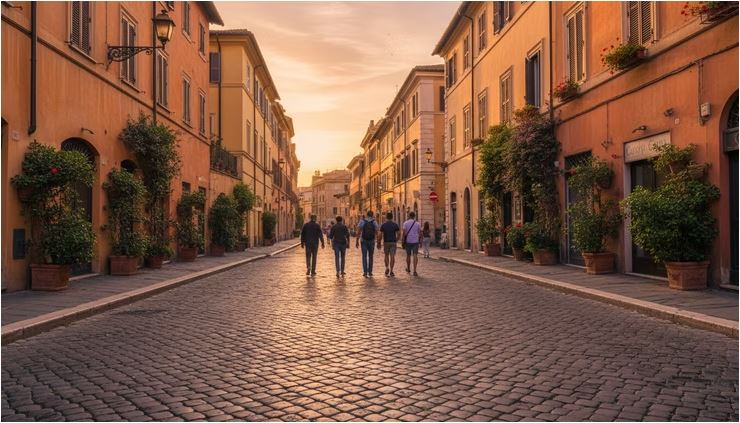
Why choose a Rome-based operator for everyday Italy tours
A Rome-based operator has one clear advantage: local depth. The team understands the flow of the city, the quieter times to visit major sites, the neighbourhoods worth lingering in, and the practical details that can save a day.
That matters in Italy, where timing and context shape the experience. A good Rome operator can suggest an early ancient Rome walk before the heat builds, a late afternoon food tour when markets and wine bars come alive, or a cultural route through churches and workshops that many visitors would miss on their own.
The strongest operators usually stand out through a few simple features:
- Small groupsEasier questions, better pacing, and less time waiting.
- Licensed local guidesEspecially important for historical sites, museums, and religious landmarks.
- Everyday availabilityUseful for travellers with tight plans or flexible dates.
- Balanced itinerariesEnough structure to feel organised, with enough space to enjoy the moment.
- Real local storytellingNot a memorised script, but context that links the past to daily life.
One past participant described a Roman history walk as “the first time the Forum felt like a city rather than a pile of stones.” That is the difference a skilled guide can make.
Historical tours for ruins churches and legends
Rome is the natural starting point for historical touring. The Colosseum, Roman Forum, Palatine Hill, Pantheon, and ancient streets around the city centre all work well as guided experiences because the visible remains only tell part of the story.
A strong historical tour should explain:
- How Romans lived, worked, worshipped, and entertained themselves
- Why certain ruins still matter today
- What changed between ancient Rome, medieval Rome, and modern Rome
- How to read buildings, columns, inscriptions, and mosaics
For travellers who enjoy big landmarks, an ancient Rome route is the obvious choice. For those who prefer quieter places, a churches and hidden history tour can be just as rewarding. Rome’s basilicas and side streets often hold layers of art, politics, and local tradition that visitors walk past without noticing.
Day trips can also fit this style. From Rome, operators often build tours to places like Tivoli, Ostia Antica, or hill towns in Lazio. These are ideal when the city feels intense and a slower historical setting sounds appealing.
Culinary tours for pasta markets wine and gelato
Food tours are often the easiest way to feel at home in Italy. They remove the guesswork from menus, introduce local customs, and show why Italian cooking is so regional.
In Rome, a culinary tour might include a neighbourhood walk through Trastevere, Testaccio, Campo de’ Fiori, or the Jewish Quarter. The best routes mix tastings with stories. A guide might explain the roots of Roman pasta dishes, why artichokes matter in the Jewish Quarter, or how a market stall becomes part of daily family life.
Look for tours that include a mix of:
Street food and snacks
Classic Roman dishes
Wine and aperitivo
Dessert stops
Supplì, pizza by the slice, seasonal bites, and bakery stops
Carbonara, amatriciana, cacio e pepe, and local vegetables
Simple pairings and tips on ordering without stress
Gelato, pastries, or coffee taken the Italian way
A traveller on a food walk once shared that they came for pasta but remembered the guide’s explanation of “why lunch in Italy is never just fuel.” That line captures the value of culinary touring. The food tastes better when the culture around it starts to make sense.
Cultural experiences that go beyond the famous sights
Cultural tours are perfect for travellers who want more than monuments. These experiences may include artisan workshops, neighbourhood walks, museum visits, religious heritage routes, cooking classes, language moments, or seasonal traditions.
A Rome-based operator can shape cultural tours around themes such as:
- Renaissance and Baroque art
- Catholic heritage and pilgrimage routes
- Local craft and family-run workshops
- Italian cinema locations
- Evening walks through historic neighbourhoods
- Hands-on cooking with a local instructor
These tours work especially well for repeat visitors. If the Colosseum and Vatican are already done, a cultural day can reveal a different Rome. It might be a walk through Monti, a mosaic-focused church route, or a class where gnocchi or tiramisù becomes the centre of the afternoon.
What sets a good operator apart here is access and pacing. Cultural travel should never feel like a lecture. It should feel like joining someone who knows which doorway to enter, which detail to notice, and when to stop for coffee.
How to choose the right everyday tour in Italy
The best tour is the one that matches energy, interest, and travel style. Before booking, think less about what is “must-see” and more about what will make the day memorable.
Use this simple guide:
| If you enjoy | Choose this kind of tour |
| Big stories, ruins, and famous landmarks | Ancient Rome or historical city walks |
| Eating well and meeting local hosts | Food tours, wine tastings, and cooking classes |
| Art, churches, crafts, and neighbourhood life | Cultural and artisan experiences |
| Slower days outside the capital | Day trips to towns, villas, or archaeological sites |
| Travelling with children or older family members | Private or small-group tours with flexible pacing |
Check the walking distance, meeting point, group size, and what is included. In Italy, comfortable shoes matter more than fancy clothes. Shoulders and knees may need covering in some churches, and summer heat can affect how much ground feels enjoyable.
If time is short, choose one historical tour and one food tour. That pairing gives a strong sense of Italy: what shaped it and how people live now.
A better way to experience Italy day by day
Italy is easier to love when each day has a human guide behind it. A Rome-based operator can connect the famous with the personal, the ancient with the everyday, and the meal with the story behind it.
Choose history if ruins and legends pull you in. Choose food if markets, pasta, and wine feel like the heart of the trip. Choose culture if you want neighbourhoods, art, and traditions that stay with you after the suitcase is unpacked.
The best tours do not rush Italy. They help travellers notice it.
Leave a Comment