
Italy rewards curiosity. A wrong turn in a hill town can lead to a quiet chapel with a Renaissance fresco. A local lunch can explain a region better than a museum label. A well-timed stop on a coastal road can turn a pleasant day into the memory that defines the whole trip.
That is why a private tour can change the way Italy feels. It turns travel from a fixed schedule into a tailored experience, where the pace, places and small details fit the people taking the journey. The result is not only comfort. It is better access, deeper stories and far less stress.
For travellers considering Everyday Tours in Italy, the appeal is clear: more time enjoying the country, less time managing logistics.
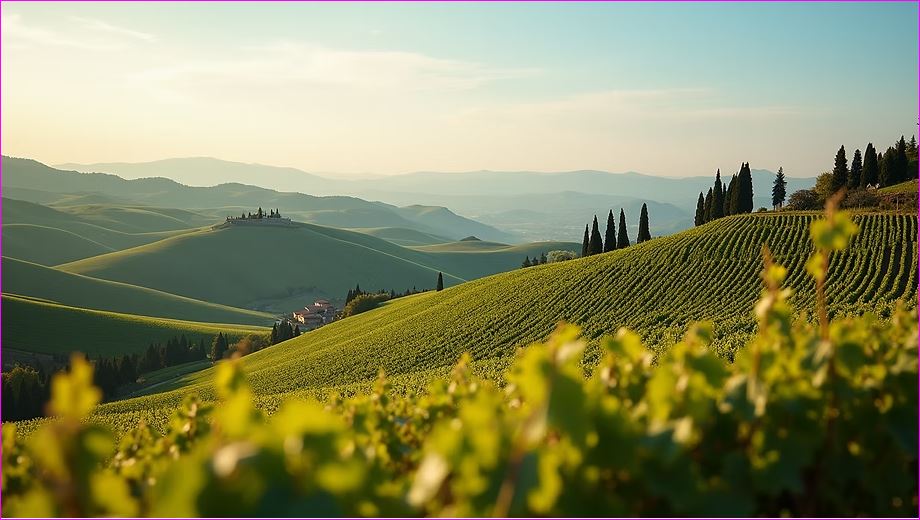
Privacy turns good travel into a more personal experience
A group tour can be useful when time is tight or the budget is fixed. It gives a simple route and a set programme. Yet Italy often shines most in the moments that do not fit neatly into a large-group timetable.
Private Tours give space for those moments.
A guide can adjust the pace when a family wants more time at the Colosseum, when a couple prefers a long lunch over another monument, or when a food lover wants to understand why one olive oil tastes peppery and another tastes soft. The day can move with the people, not the other way around.
This privacy also changes the tone of the experience. Questions feel easier to ask. Conversations can go deeper. A guide can shape the story around what matters most, whether that is ancient Rome, Renaissance painting, wine, architecture, photography, fashion, food or family history.
There is also a quiet luxury in not being rushed. Italy is full of places that deserve a slower look:
- The curve of the Grand Canal at dusk
- The scent of lemons on the Amalfi Coast
- The silence inside a small Umbrian church
- The marble details in a Florentine courtyard
- The first view of a medieval town from a country road
These are not minor details. They are often the parts of Italy people remember best.
Luxury is measured in comfort, access and ease
Luxury in travel is not only about five-star hotels or polished cars, though those can help. In Italy, true luxury often means smooth access to meaningful experiences.
A private guide can plan a day that avoids the worst crowd flows where possible, builds in time for rest, and connects places in a sensible order. A driver can handle narrow roads, parking rules, ZTL restricted traffic zones and transfers between towns. That leaves travellers free to look out of the window, listen, ask questions and enjoy the day.
On a private trip, small comforts matter:
- A pick-up at the hotel instead of a meeting point across town
- Flexible start times when breakfast runs late
- Breaks for children, older travellers or anyone who needs a slower pace
- Restaurant suggestions that match taste and budget
- Time for photos without holding up a group
- Routes that avoid unnecessary backtracking
A Private guide also brings confidence. Italy is easy to love, but not always easy to navigate. Train strikes, seasonal closures, ticket rules and local traffic can interrupt even a strong plan. Having someone who understands the rhythm of the place can protect the day from small frustrations.
This is especially valuable for travellers visiting several regions. Rome, Florence, Venice, Naples, the Amalfi Coast, Sicily and the lakes all have different moods, transport patterns and local customs. A tailored tour helps each place feel less confusing and more rewarding.
Italy’s heritage feels richer with the right storyteller
Italy has more famous sights than most travellers can fit into one trip. The Colosseum, the Vatican Museums, Pompeii, the Uffizi, St Mark’s Basilica and the Duomo in Florence all deserve their reputations. Yet famous does not always mean easy to understand at first glance.
A skilled guide turns stone, canvas and ruins into living stories.
In Rome, an expert can connect the Roman Forum to daily life, law, trade and power. In Pompeii, a guide can explain how homes, bakeries, streets and wall paintings reveal the habits of a city frozen in time. In Florence, the difference between simply seeing a painting and understanding its place in the Renaissance can be enormous.
Private experiences also allow heritage to match interest. Not everyone wants the same version of Italy.
A history enthusiast may want extra time in ancient sites. An art lover may prefer a slower museum visit with fewer stops. A family may need stories that keep children engaged. A traveller with Italian roots may want a route shaped around a specific region or surname. A food traveller may learn more from a market, a cheese producer or a family-run trattoria than from another church.
Italy’s heritage is not locked inside museums. It lives in craft workshops, vineyards, fishing villages, markets, kitchens and festivals. A private tour can connect the grand and the everyday, which is where the country becomes far more memorable.
Experiences that feel distinct to Italy
The best private journeys often include experiences that reveal place through people and tradition. These may include:
- A cooking class in a farmhouse kitchen
- A visit to an artisan making mosaics, leather goods or ceramics
- A wine tasting in Piedmont, Tuscany or Sicily
- A market walk with a local food expert
- A boat ride to quiet coves or island villages
- An early morning photography walk before the streets fill
- A guided visit to lesser-known archaeological sites
These experiences do not need to feel staged. The strongest ones are simple, well chosen and rooted in the area.
Hidden gems reward travellers who go beyond the obvious
Italy’s icons are famous for good reason, but the country has a second layer that many visitors miss. This is where private travel becomes especially valuable.
A fixed tour usually focuses on headline sights. A tailored itinerary can make space for smaller places that sit just outside the standard route. These stops often bring fewer crowds, better conversations and a stronger sense of discovery.
Think of:
- Civita di Bagnoregio, a hilltop village reached by footbridge
- Ravello, high above the Amalfi Coast with wide sea views
- Orvieto, with caves below the town and a cathedral that glows in the sun
- Matera, known for ancient cave dwellings and dramatic stone lanes
- Noto, a Sicilian town loved for Baroque architecture
- Bologna’s porticoes, food markets and university history
- Lake Orta, quieter than the better-known northern lakes
These places are not unknown, but they can feel hidden compared with Italy’s highest-traffic routes. A guide can make them easier to reach and more meaningful once there.
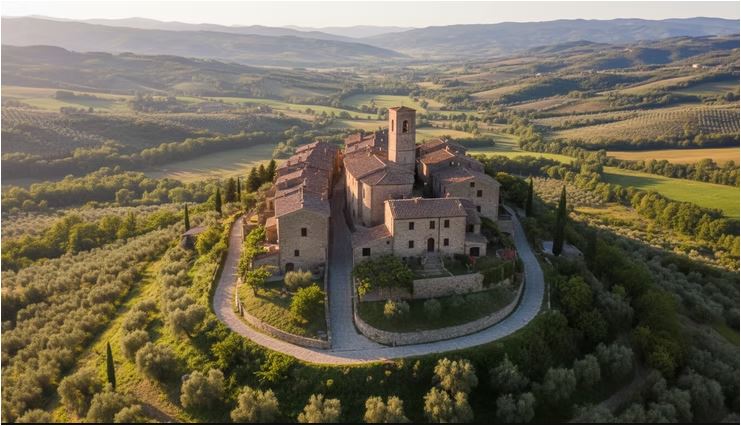
Scenery becomes better when the route is designed around it
Italy’s natural beauty changes dramatically from region to region. The Dolomites feel crisp and alpine. Tuscany rolls gently through vineyards and wheat fields. The Amalfi Coast drops sharply into blue water. Puglia opens into olive groves and whitewashed towns. Sicily mixes volcanoes, beaches, ancient ruins and market streets in one trip.
Private touring allows the route to match the scenery, not just the destination.
A day on the Amalfi Coast, for example, can be shaped around timing. Instead of racing between crowded stops, the route can include a quiet village, a terrace lunch, a boat ride or a viewpoint at the right hour. In Tuscany, a driver-guide can connect small wineries, abbeys and hill towns without making the day feel like a checklist. In the Dolomites, the plan can shift according to weather, walking ability and visibility.
This flexibility matters because Italy is not always predictable. Summer heat, traffic, local events and seasonal opening hours can affect the best plan. A private tour gives room to adjust without losing the day.
Personalised itineraries remove the hardest parts of planning
Planning a trip to Italy sounds exciting at first. Then the details start to pile up.
Which museum tickets need advance booking? How much time is enough in Florence? Is it sensible to visit Pompeii and the Amalfi Coast on the same day? Should Venice be explored by foot, boat or both? Which towns in Tuscany are close enough to combine? Is a rental car worth it?
A personalised itinerary helps turn those questions into a clear plan.
The best private tours do more than fill a calendar. They balance energy, distance and interest. They consider who is travelling, how fast they like to move, what they have already seen and what kind of experience would feel special.
A strong itinerary often includes:
- Anchor sights that matter most
- Slower moments for meals and wandering
- Local experiences that add depth
- Sensible transfer times
- Space for rest
- Backup options for weather or closures
For multi-generational trips, this can be the difference between a tiring holiday and a smooth one. Grandparents may need fewer stairs. Children may need hands-on activities. Couples may want romance and quiet. Friends may want food, wine and lively neighbourhoods. A private format can serve all of these without forcing everyone into a one-size route.
How to choose the right private tour in Italy
The right tour depends less on prestige and more on fit. A beautiful itinerary on paper may not suit the travellers taking it. Before booking, focus on interests, pace, guide quality and practical details.
| Interest | Best tour style | What to look for |
| Art and history | Museum and city heritage tours | Licensed guides, timed entry planning and strong storytelling |
| Food and wine | Market walks, vineyard visits and cooking classes | Local producers, small tastings and regional knowledge |
| Romance | Scenic drives, boat trips and slow town visits | Flexible timing, privacy and beautiful meal settings |
| Family travel | Hands-on cultural experiences | Shorter stops, engaging guides and rest breaks |
| Photography | Sunrise walks and scenic routes | Good timing, quiet viewpoints and varied locations |
| First visit to Italy | Classic highlights with local additions | A balanced route that mixes icons with smaller discoveries |
| Return visit | Hidden towns and specialist themes | Deeper regional knowledge and unusual access |
Check the guide’s local knowledge
A guide does not need to be theatrical to be excellent. The best ones listen well, explain clearly and know when to pause. Look for signs that the guide understands the region beyond memorised facts.
Good questions to ask include:
- Which lesser-known stops pair well with the main sight?
- How do you adjust the day if the weather changes?
- Can the pace be adapted for our group?
- Do you focus more on history, food, art or daily life?
- Are tickets, transport and meals included or separate?
Match the pace to the trip
Some travellers want full days with early starts and many stops. Others prefer late mornings, long lunches and fewer places. Both can work, but mixing the two styles in one trip can create stress.
Be honest about energy levels. Italy rewards slow attention. A day with three well-chosen stops often feels richer than a day with six rushed ones.
Ask what is truly included
Before booking, clarify the details. This avoids awkward surprises later.
Check whether the tour includes:
- Hotel pick-up and drop-off
- Licensed guiding inside monuments and museums
- Entrance tickets
- Transport and driver services
- Meals or tastings
- Boat rides or special activities
- Accessibility support
- Cancellation terms
This is especially important in cities where guiding rules are strict, or in regions where transport is part of the experience.
The best Italian journeys feel effortless
A private tour does not remove the character of Italy. It makes that character easier to enjoy. The winding roads, old stones, long meals, regional accents and unexpected stops remain. What disappears is much of the friction.
There is less guessing, less queuing without context, less time spent correcting routes and fewer arguments over what to do next. In its place comes a day shaped around real interests and guided by someone who knows how Italy works on the ground.
For first-time visitors, that can create confidence. For returning travellers, it can open new corners of a country they already love. For families, couples and small groups, it can make the trip feel more intimate, more relaxed and more rewarding.
Italy is not a destination to rush through with a checklist. It is a place to taste, hear, study, wander and remember. Choose the right private tour, and the journey becomes more than a route between famous sights. It becomes a personal encounter with one of the world’s richest travel destinations.
Leave a Comment